

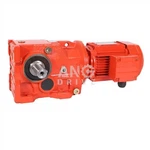
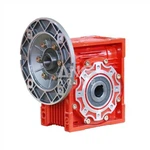

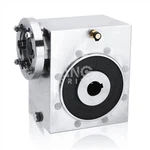
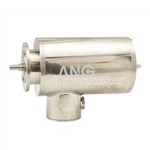
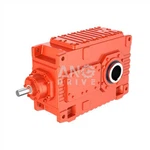
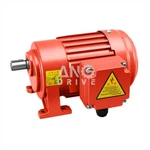
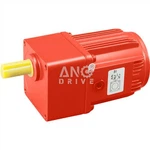


Synchronous Engine
Product Introduction of Synchronous Engine
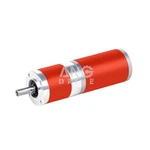
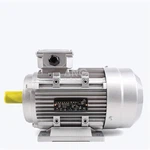
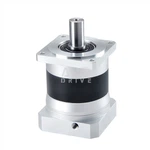
The Synchronous Engine is an engine that utilizes the principle of electromagnetic induction to synchronize the rotor speed with the rotational magnetic field speed. It mainly consists of components such as the stator, rotor, windings, cooling system, and housing. Through an accurate magnetic field synchronization mechanism, this engine converts the input electrical energy into mechanical energy, generating stable rotational power. In the field of power generation, it is an important power generation device that can provide high-quality electrical energy to the power grid. In industrial drive applications, it can provide reliable power for large mechanical equipment, pumps, compressors, etc., and is widely used in industries such as electricity, petrochemical, metallurgy, and shipping.

1.Accurate Magnetic Field Synchronization
Through precise electromagnetic design and manufacturing processes, it ensures that the rotor speed is highly synchronized with the rotational magnetic field speed, enabling accurate power output, reducing vibration and energy loss caused by speed differences, and providing stable power input for subsequent equipment.
2.High Power Factor Feature
During operation, it can achieve a relatively high power factor, improving the utilization efficiency of electrical energy, effectively reducing reactive power, and reducing the burden on the power grid, making the entire power system more efficient and stable. It is particularly suitable for occasions requiring high-quality electrical energy supply.
3.High-Quality Cooling System
It is equipped with an efficient cooling system that can automatically adjust the cooling intensity according to the engine's load and operating state, ensuring that the engine can maintain an appropriate operating temperature under different working conditions, avoiding performance degradation or damage due to overheating.
4.Low Noise Operation
It adopts a special structural design and vibration and noise reduction techniques, resulting in a relatively low noise level during operation, creating a quiet working environment. It is especially suitable for areas with strict environmental noise requirements, such as power stations or factories near urban residential areas.
5.Strong Overload Capacity
It has excellent overload capacity. When encountering short-term overload conditions, such as power grid fluctuations or large current surges during equipment startup, it can withstand the overload within a certain range without damage, ensuring the continuous and stable operation of the equipment.

1.Stable Electrical Energy Quality
Due to the accurate magnetic field synchronization, it can provide stable frequency and voltage outputs, ensuring the stability of the power system, reducing damage to user equipment caused by frequency and voltage fluctuations, and improving the service life and reliability of electrical equipment.
2.Energy Efficiency Improvement
The high power factor reduces the generation of reactive power, improves energy utilization efficiency, reduces energy consumption and operating costs, and can bring significant economic benefits for long-term operating industrial and power generation enterprises.
3.Extended Equipment Life
The good cooling system can effectively prevent the engine from being damaged by overheating, and the low noise operation indicates relatively small wear of internal components. These factors together extend the service life of the engine and reduce the frequency of equipment renewal and maintenance.
4.Environmentally Friendly
The low noise operation results in little noise pollution to the surrounding environment during operation, reducing interference to nearby residents and workers, and also helps to comply with relevant environmental regulations and standards.
5.High Operational Reliability
With strong overload capacity, it can withstand external disturbances and emergencies to a certain extent, ensuring the stable operation of the engine under various working conditions, reducing equipment failures and downtime caused by overload or fluctuations, and improving the overall reliability and availability of the equipment.





Specification for synchronous engine:
|
Voltage |
VAC |
24 |
110 |
220-240 |
24 |
110 |
220-240 |
||||||||||||||||
|
Frequency |
HZ |
50/60 |
50/60 |
||||||||||||||||||||
|
Input Power |
W |
<17 |
<25 |
||||||||||||||||||||
|
Input Current |
mA |
<0.63 |
<0.14 |
<0.07 |
<1.2 |
<0.3 |
<0.15 |
||||||||||||||||
|
Rotating Direction |
CW/CCW |
CW/CCW |
|||||||||||||||||||||
|
Operating Temperature |
℃ |
-15- 40 |
-15- 40 |
||||||||||||||||||||
|
Coil Temperature Rise |
K |
<80 |
<80 |
||||||||||||||||||||
|
Insulation Class |
B |
B |
|||||||||||||||||||||
|
Insulation Strength |
AC1500/50HZ/min. |
AC1500/50HZ/min. |
|||||||||||||||||||||
|
Duty Type |
S1 Continuously |
S2(30minutes) |
|||||||||||||||||||||
|
Output Speed |
r/min |
2.5 |
5 |
8 |
10 |
15 |
20 |
25 |
30 |
40 |
60 |
75 |
99 |
115 |
128 |
136 |
|||||||
|
Rated torque |
Kgf.cm |
S1 |
40 |
40 |
40 |
30 |
20 |
15 |
12 |
10 |
7.5 |
5 |
4 |
3 |
2.5 |
2 |
1.5 |
||||||
|
S2 |
40 |
30 |
23 |
18 |
15 |
11 |
7 |
5.5 |
4 |
3.5 |
3 |
2.5 |
|||||||||||









More products and information
Product page is only part of our products, if you do not find a suitable product, please contact our sales staff for consultation.
Hot Tags: synchronous engine, China, suppliers, manufacturers, factory, wholesale, price
Previous
AC Gear EngineYou Might Also Like


Send Inquiry